Telekom AI powered Chat-bot
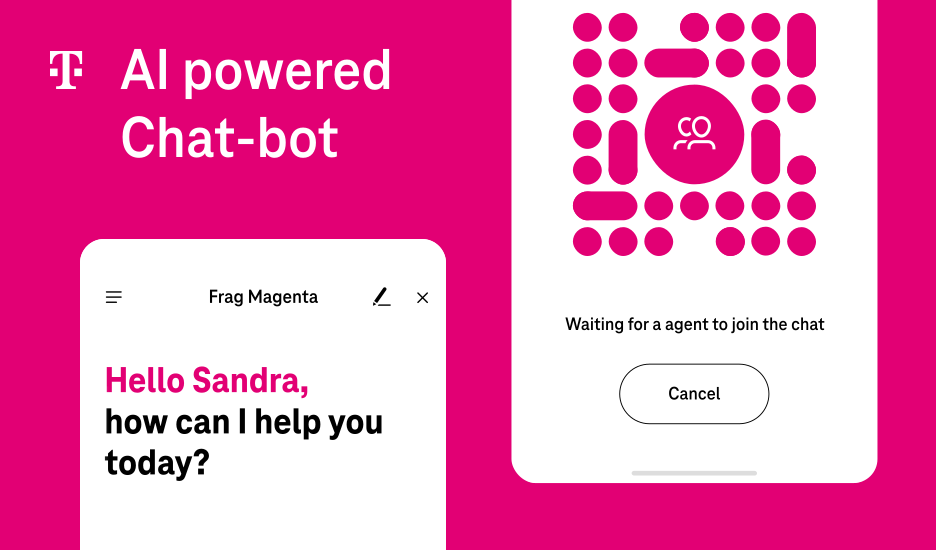
Project Overview
This case study explores the design and development of an LLM-powered chatbot aimed at improving customer support for a Telekom. Faced with the limitations of traditional decision-tree models, the project sought to leverage the capabilities of large language models (LLMs) to create a more engaging and effective chatbot experience.
Problem Statement
The primary goal was to address customer pain points related to problem-solving, administrative tasks, product information, and sales support. Traditional chatbots often struggled to provide satisfactory solutions, leading to increased workload for customer support teams.
Project Approach
To ensure timely delivery and high-quality results, the project scope was initially narrowed to focus on the most common customer inquiries. This strategic decision allowed for a more concentrated effort on key areas.
The following steps were undertaken:
- User Research: In-depth user research was conducted to understand customer needs, preferences, and pain points.
- User Story Development: Three core user stories were identified to represent the most frequent customer interactions.
- Requirement Gathering: A comprehensive list of user requirements was established to guide the design and development process.
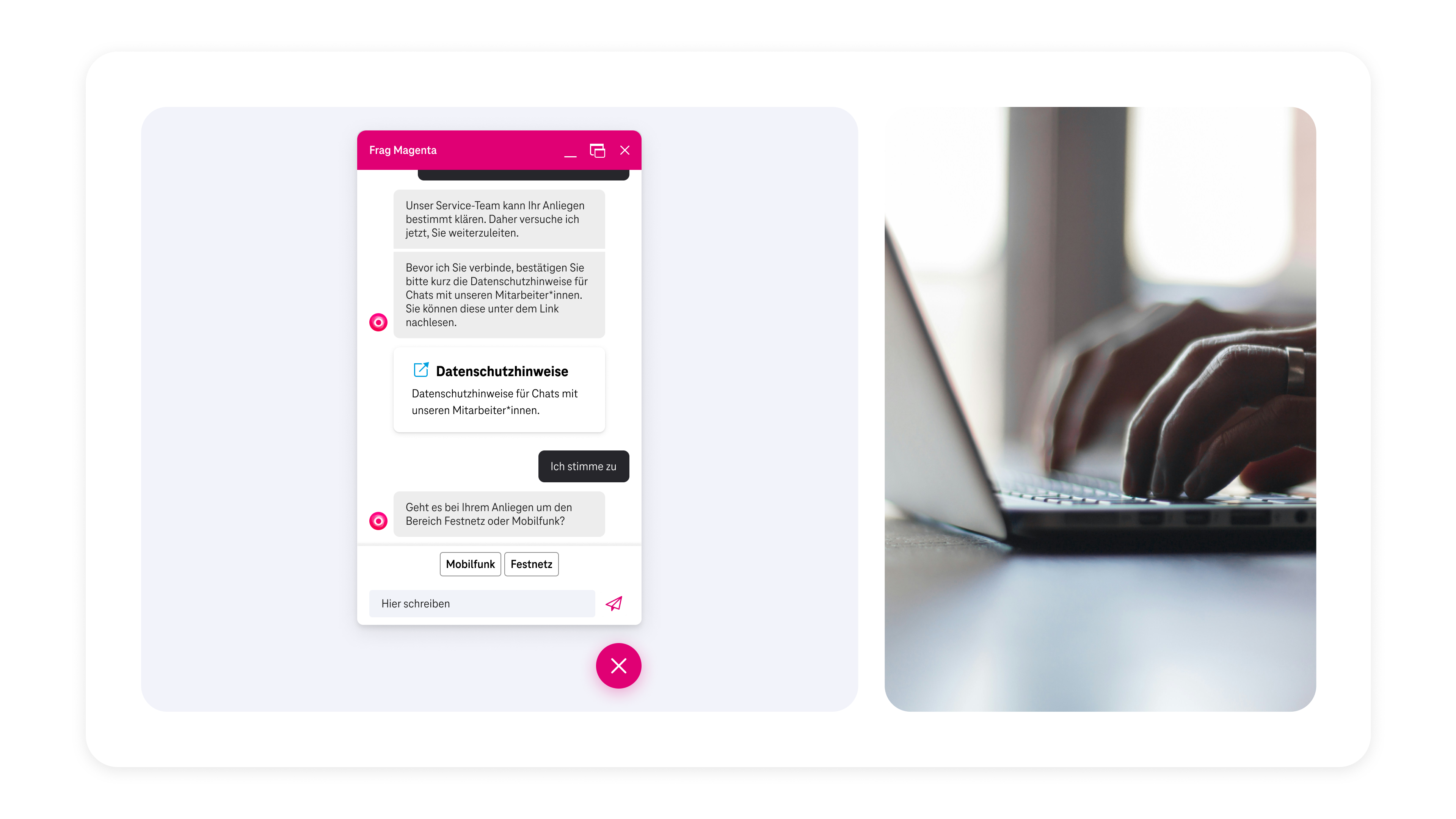
Design Objectives
The chatbot was designed to:
- Provide accurate and helpful information: Address customer questions and concerns effectively.
- Reduce workload for customer support teams: Automate routine tasks and handle common inquiries.
- Enhance customer satisfaction: Offer a more engaging and personalized experience.
- Position the chatbot as a go-to resource for telecommunications-related issues.
By focusing on these objectives, the project aimed to create a chatbot that would significantly improve customer support and streamline operations.

Deliverables and Outcomes
The project successfully delivered the following:
- Fully Clickable Prototype: A functional prototype showcasing three key scenarios demonstrating the chatbot's capabilities.
- Playbook: A comprehensive guide outlining suggested features, their visual appearance, behavior, and dependencies within the existing design system and complex data structure.

Key Achievements
- Enhanced Customer Experience: The chatbot provided a more engaging and informative experience for customers, reducing frustration and improving satisfaction.
- Streamlined Operations: By automating routine tasks and handling common inquiries, the chatbot significantly reduced the workload of customer support teams.
- Improved Efficiency: The chatbot's ability to provide accurate and timely information empowered customers to self-serve, leading to increased efficiency and cost savings.
- Adherence to Design System: The chatbot's design seamlessly integrated with the existing design system, maintaining a consistent brand experience.
Conclusion
This case study demonstrates the successful implementation of an LLM-powered chatbot to enhance customer support and streamline operations. By focusing on user needs, leveraging advanced technology, and adhering to design principles, the project achieved significant improvements in customer satisfaction and overall efficiency.
Check other
Projects

Expanded platform with helpful tips and onboarding for users of all levels.
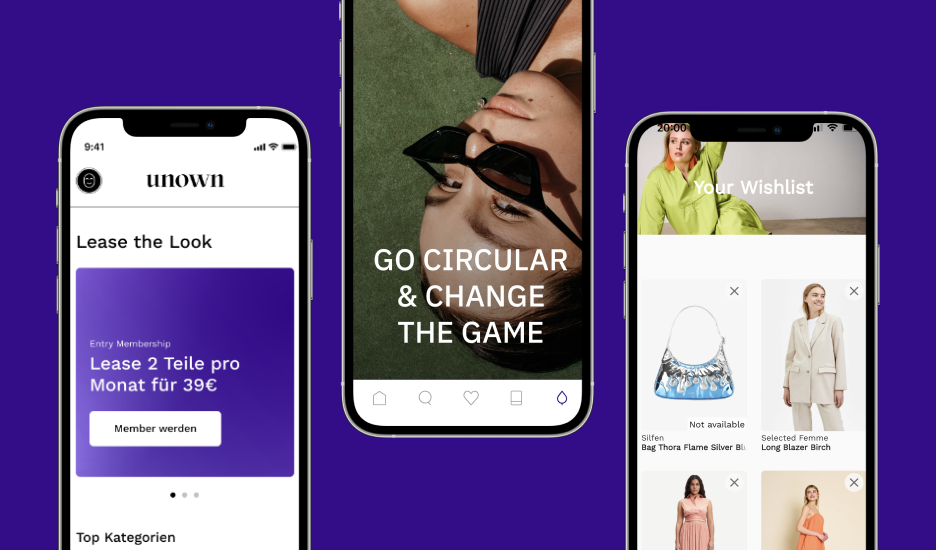
Sustainable Fashion Leasing Platform: A new way to enjoy the latest trends without environmental impact.